


Blog
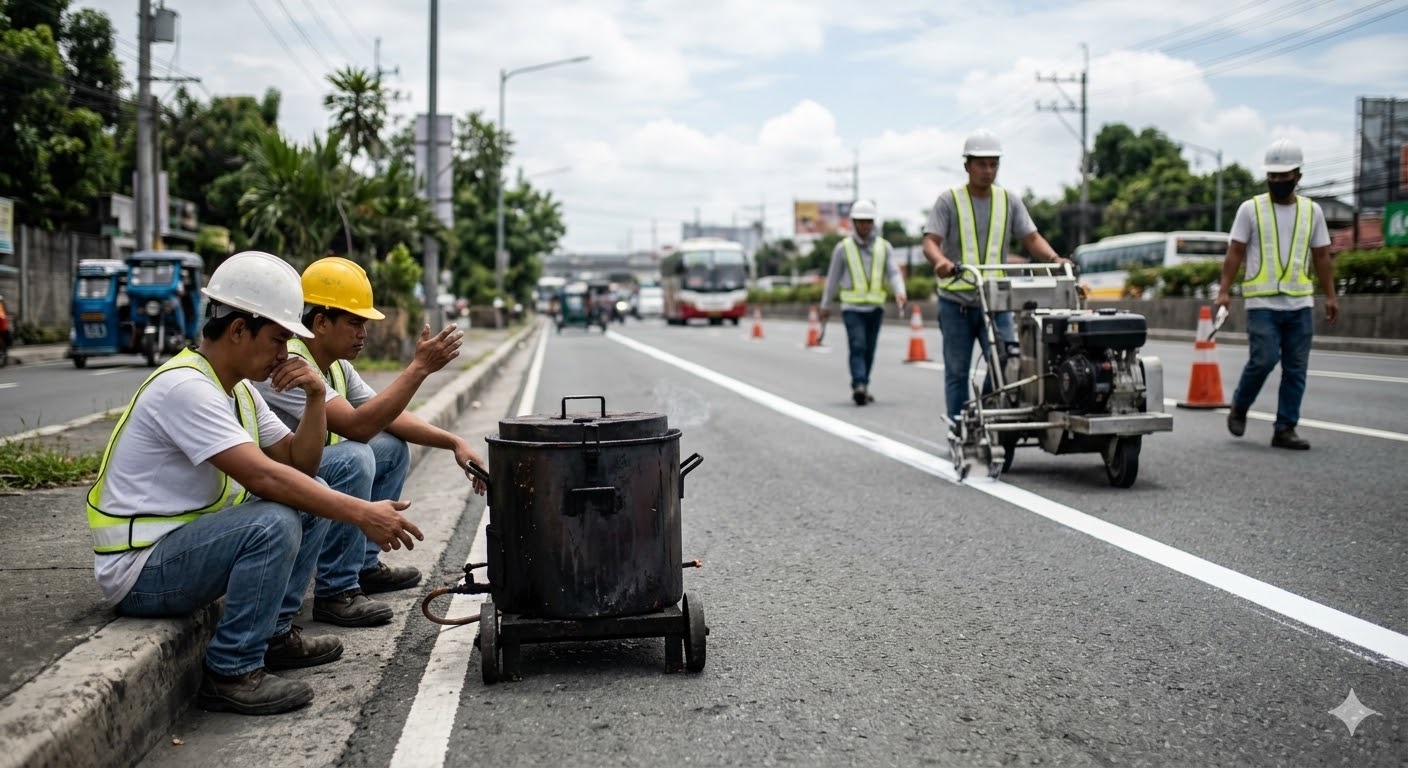
The “Invisible” Costs of Downtime: How Fast-Melting Thermoplastic Paints Increase Daily Output by 20%
In the competitive landscape of Philippine infrastructure in 2026, “Time is Money” is no longer just a cliché—it is a line item on the balance sheet. For road marking contractors, the most expensive asset isn’t the paint or the machine; it’s the idle hour. When your crew is sitting on…
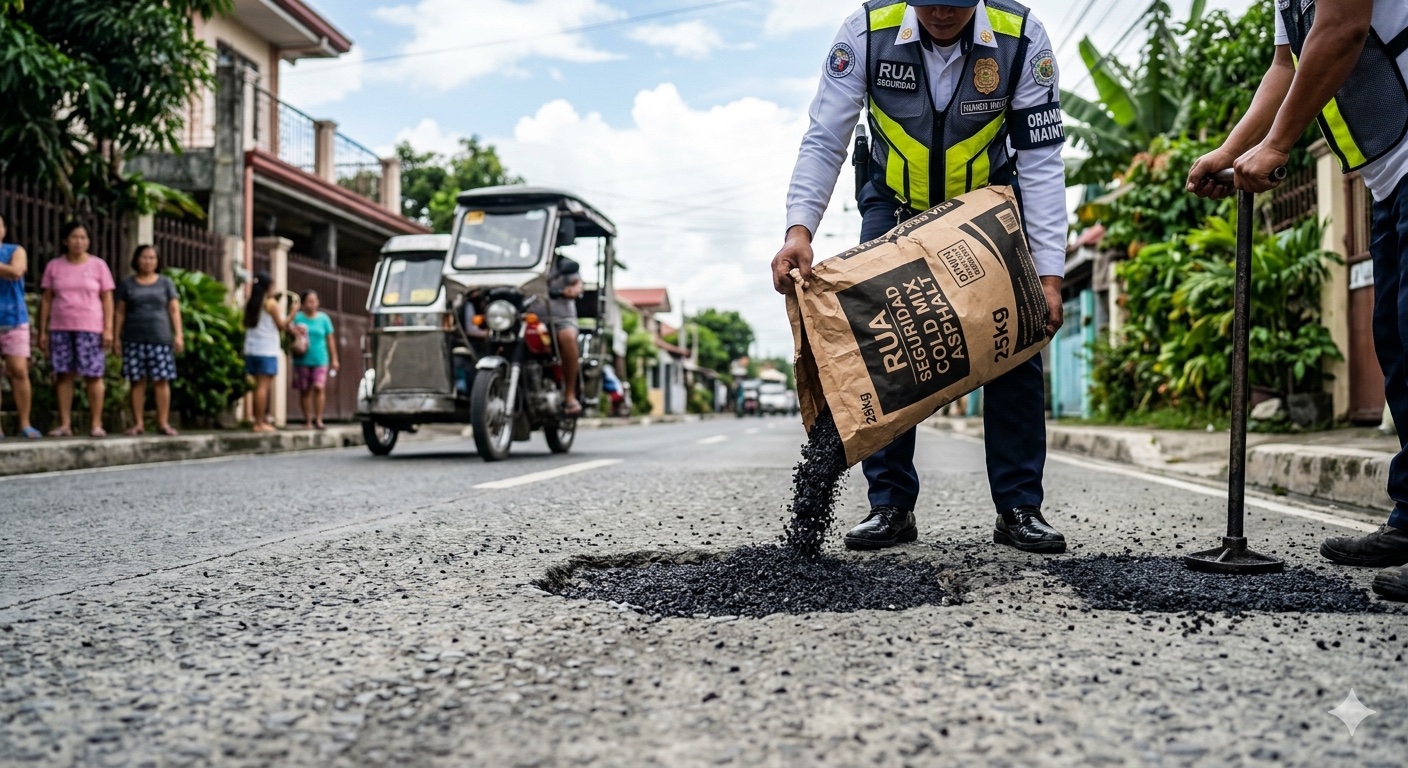
Pothole Prevention: Why Cold Mix Asphalt is the Most Cost-Effective Solution for Community Road Repairs
In the Philippines, the transition from the scorching summer heat to the relentless monsoon rains creates a “stress test” for our infrastructure. For property managers, barangay officials, and local developers, this cycle often results in a familiar, frustrating sight: the pothole. While traditional road repairs often involve heavy machinery and…
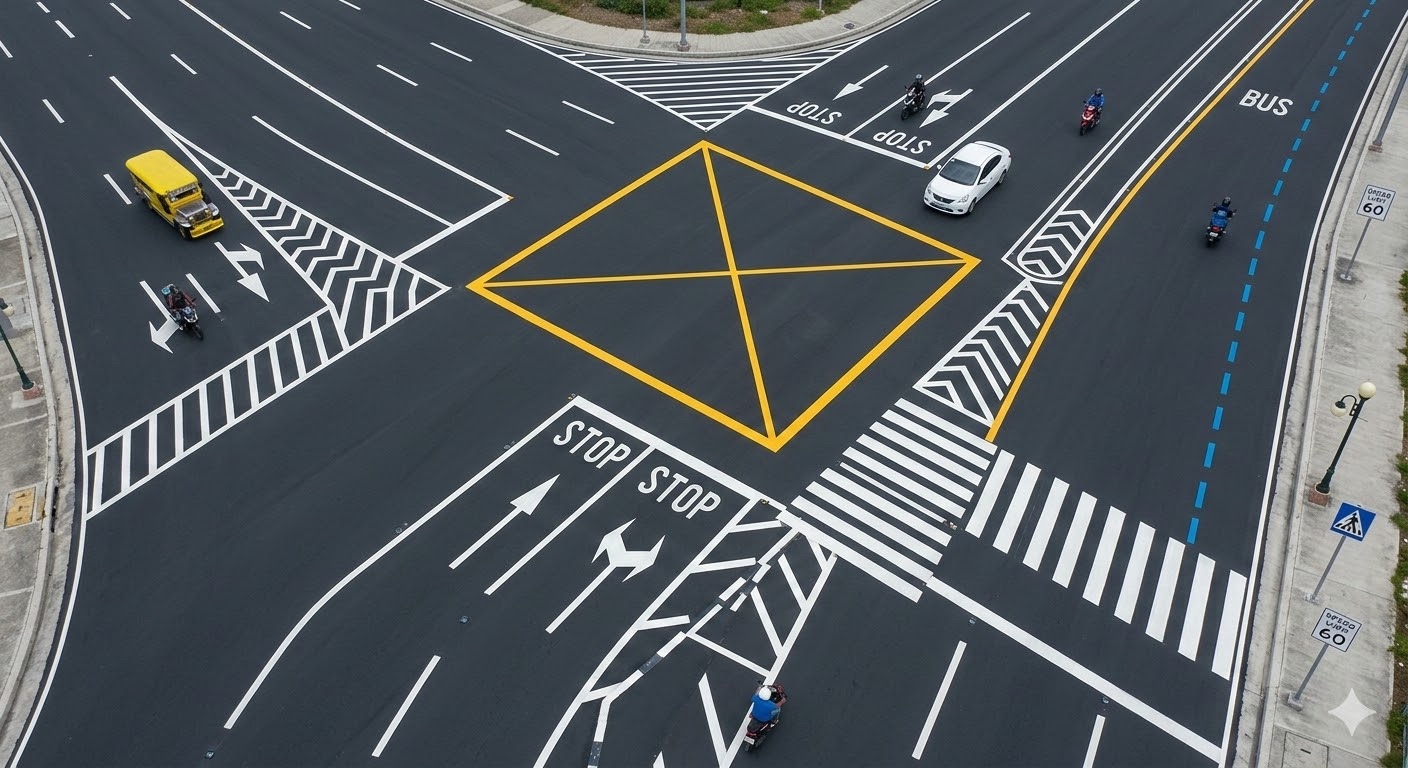
The Visual Language of Safety: A Comprehensive Guide to Philippine Road Markings
In the Philippines, constructing a world-class highway is only half the battle. To truly ensure the safety of every motorist and pedestrian, those roads must communicate. This communication happens through Road Markings—the silent navigators of our infrastructure. At Rua Seguridad Corporation, we understand that a road marking is only as…
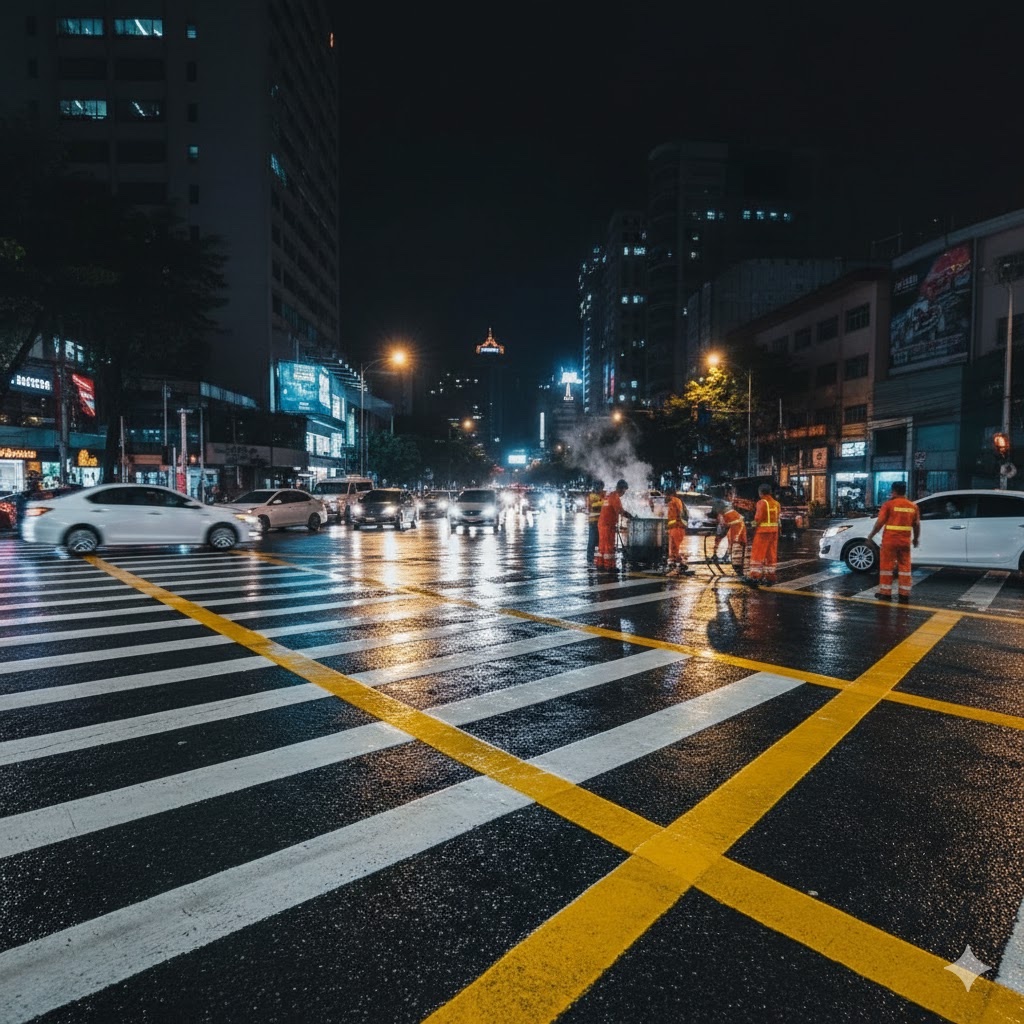
How Thermoplastic Paint Improves Road Safety in High-Traffic Areas
In the Philippines, road safety remains a critical concern. With increasing urbanization, growing vehicle numbers, and high traffic density in cities like Manila, Cebu, and Davao, effective road markings play a key role in preventing accidents and guiding drivers safely. Among all options, thermoplastic road markings have emerged as the…
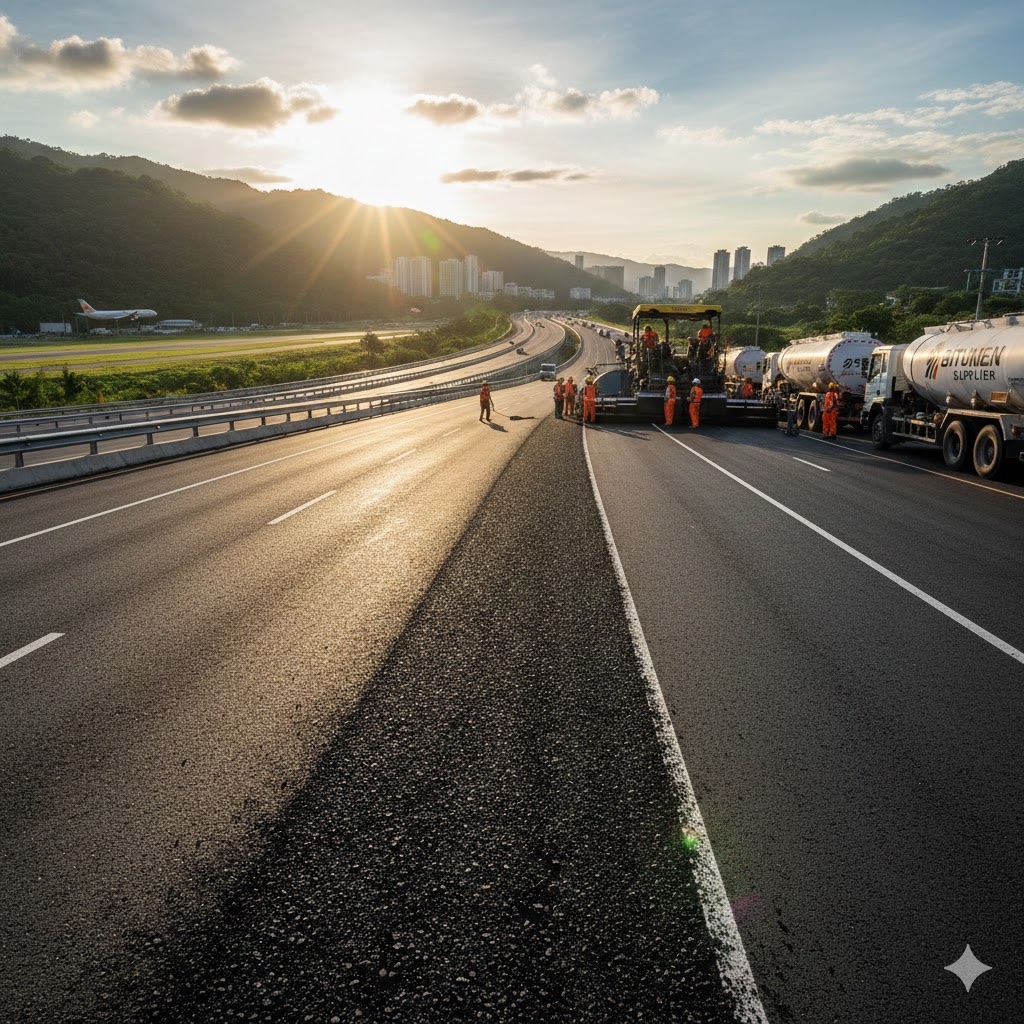
Bitumen Applications in Philippine Infrastructure: Everything You Need to Know
Infrastructure development in the Philippines continues to accelerate, driven by urban expansion, economic growth, and national infrastructure programs. At the core of durable roads, highways, and airport runways is one essential material: bitumen. Bitumen serves as the binding agent that holds road aggregates together, creating strong, flexible, and weather-resistant surfaces….
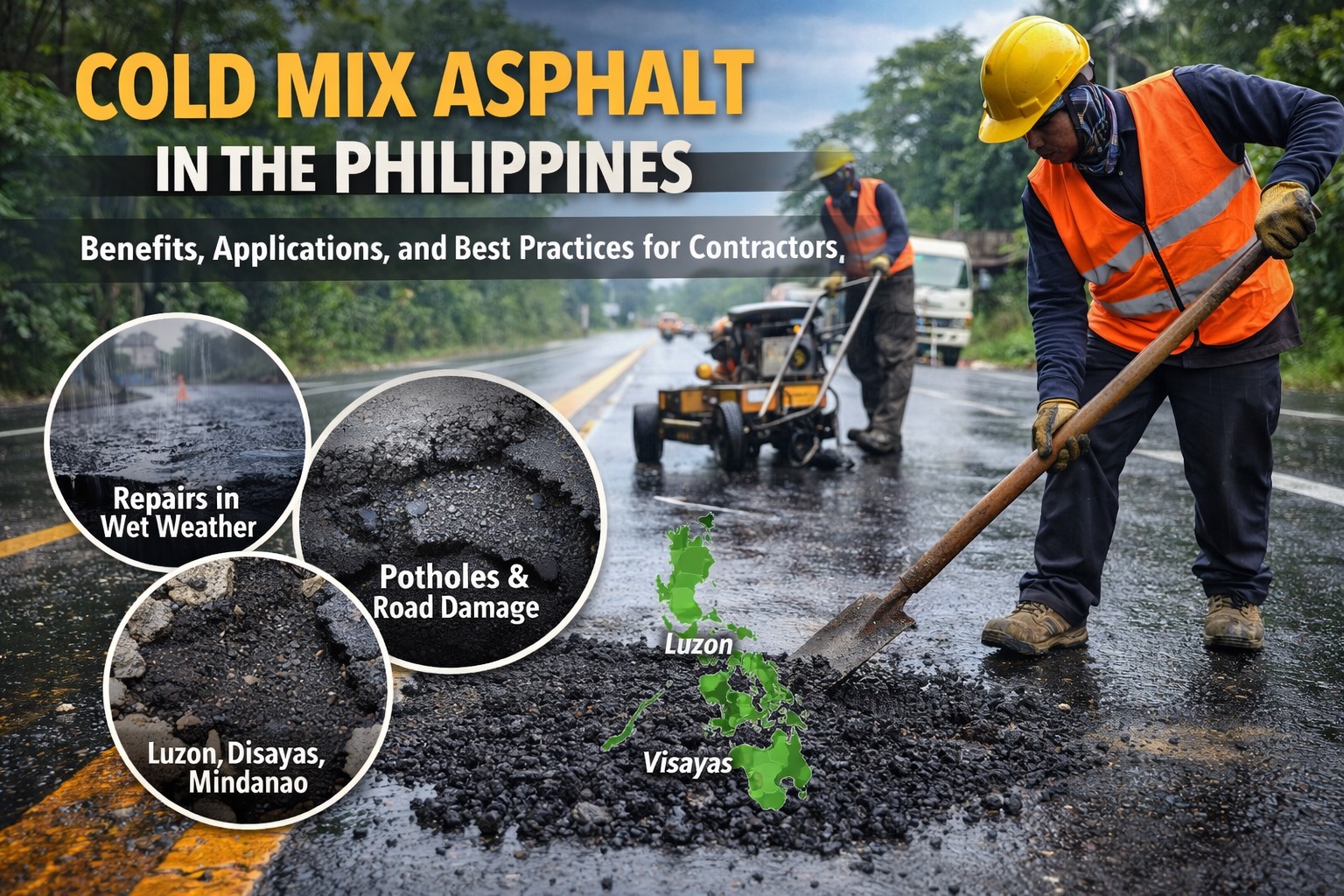
Why Cold Mix Asphalt is Essential for Philippine Roads
Road maintenance in the Philippines is challenging due to: Traditional hot mix asphalt can be difficult to use in these conditions due to its sensitivity to moisture and the need for specialized heating equipment. Cold mix asphalt, on the other hand, is pre-mixed with a binder that allows it to…
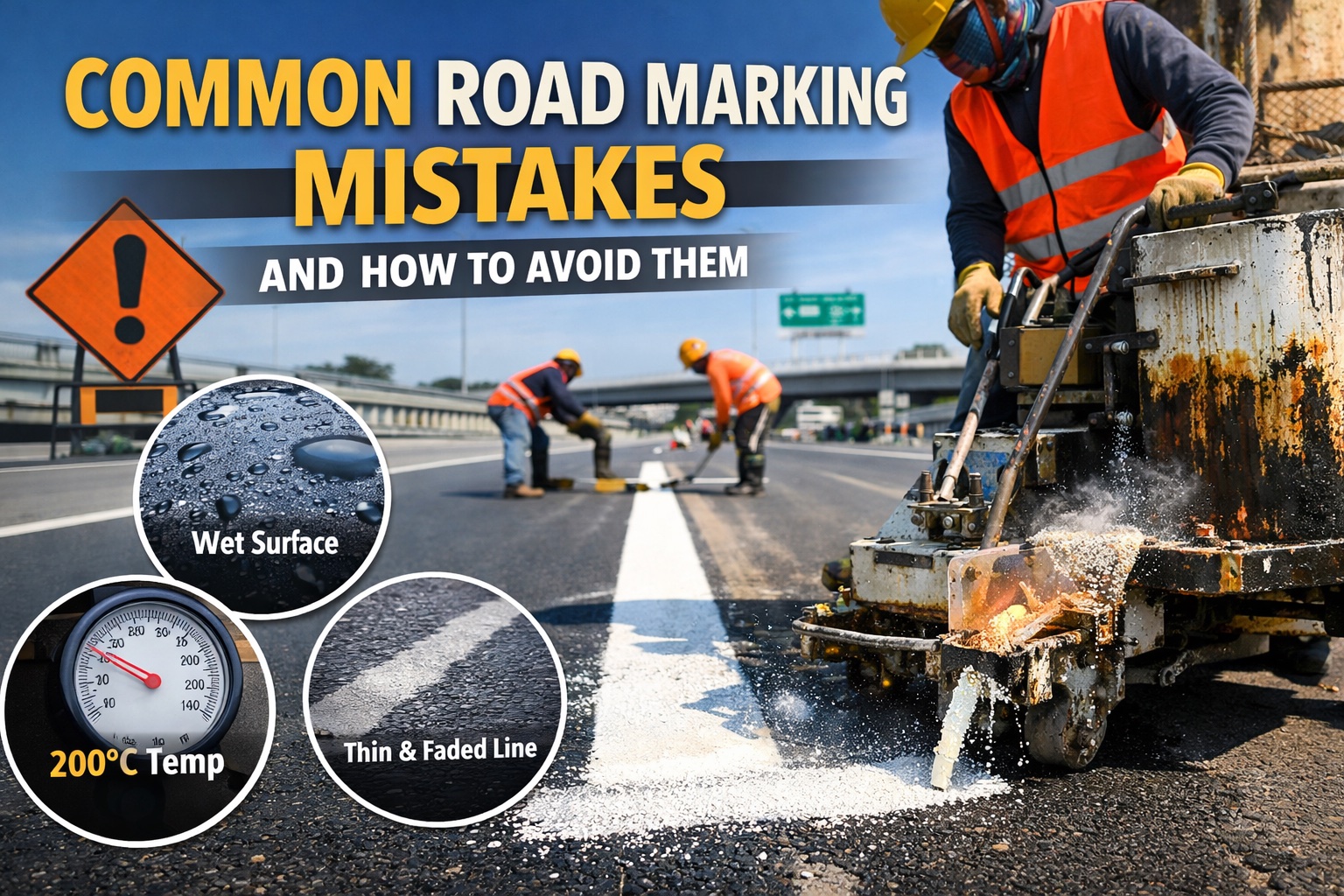
Why Road Marking Application Fails in the Philippines
Road marking projects in the Philippines face extreme challenges: Because of these conditions, even small mistakes in thermoplastic road marking application can result in premature peeling, cracking, fading, or loss of reflectivity. For contractors working on DPWH, LGU, or private infrastructure projects, improper application leads to: This thermoplastic application guide…

Why High-Performance Road Markings Matter More Than Ever in 2026
High-performance road markings play a critical role in improving road safety, traffic efficiency, and long-term infrastructure costs. In 2026, transportation authorities and contractors are facing higher traffic volumes, stricter safety regulations, and increasing climate challenges — making durable and highly visible road marking materials more essential than ever. At RUA…
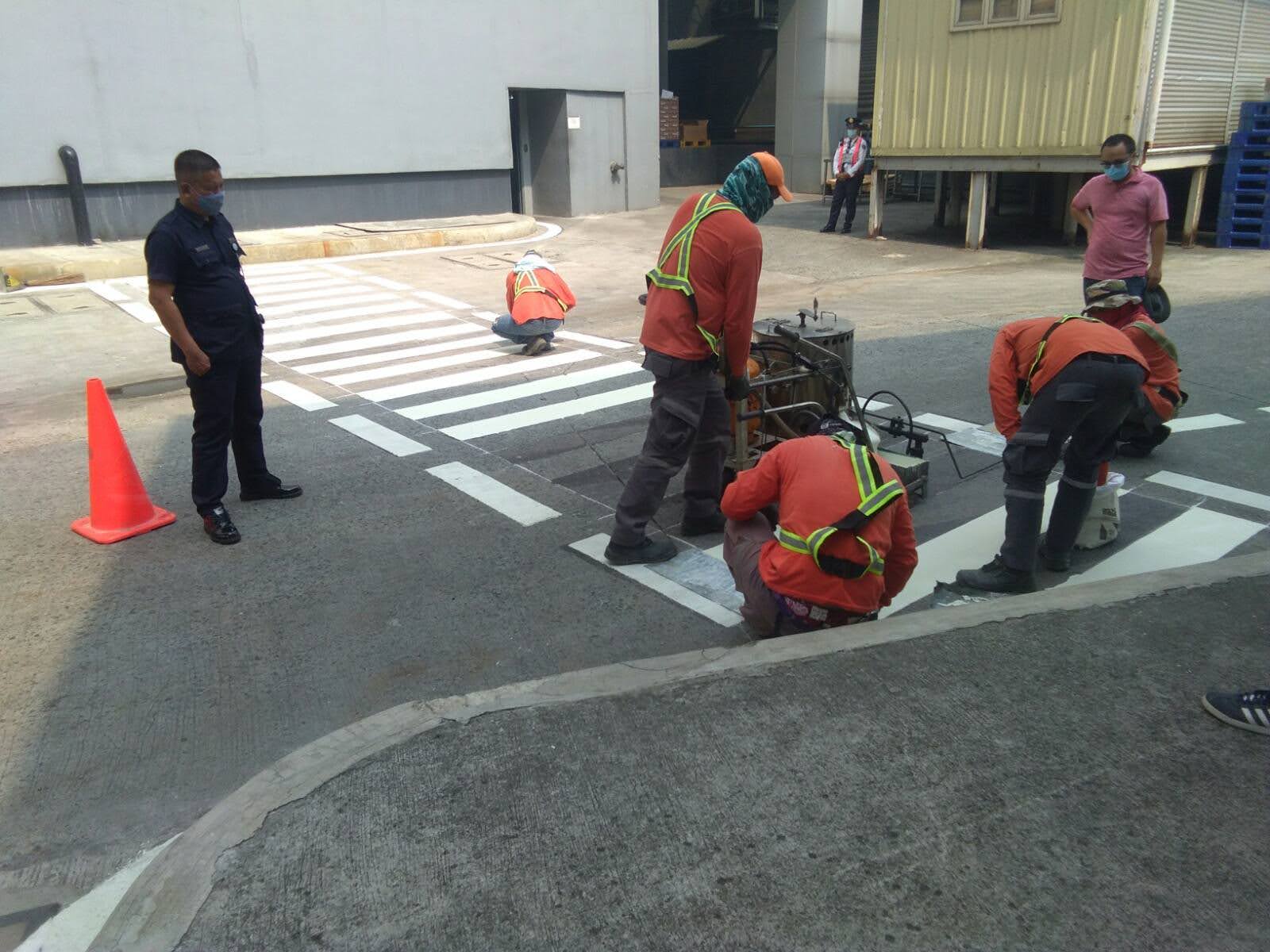
Built for Productivity: How High-Performance Thermoplastics Reduce Downtime on Site
In road marking and infrastructure projects, productivity is not just about working faster. It is about reducing downtime, minimizing waste, and keeping crews moving efficiently from start to finish. For contractors, every delay translates directly into higher costs and reduced profitability. One of the most overlooked contributors to job site…
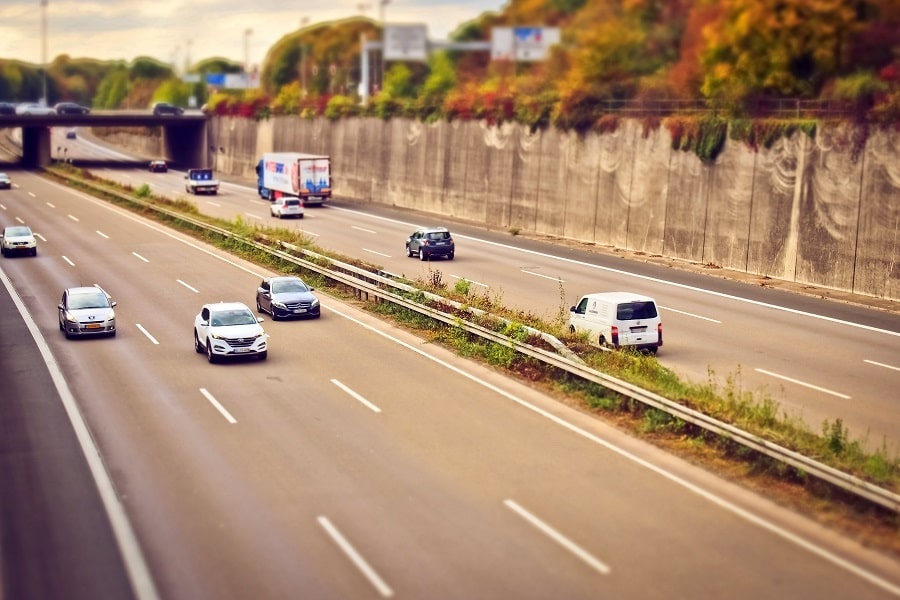
What Is Thermoplastic Road Marking Paint? A Complete Guide for Philippine Roads
Thermoplastic road marking paint is a heat-applied road marking material made from a blend of synthetic resins, glass beads, pigments, fillers, and additives. Unlike conventional liquid road paint, thermoplastic material is applied in molten form at high temperatures and solidifies as it cools. Once applied, it forms a thick, highly…
Recent Posts
- The “Invisible” Costs of Downtime: How Fast-Melting Thermoplastic Paints Increase Daily Output by 20%
- Pothole Prevention: Why Cold Mix Asphalt is the Most Cost-Effective Solution for Community Road Repairs
- The Visual Language of Safety: A Comprehensive Guide to Philippine Road Markings
- How Thermoplastic Paint Improves Road Safety in High-Traffic Areas
- Bitumen Applications in Philippine Infrastructure: Everything You Need to Know
- Why Cold Mix Asphalt is Essential for Philippine Roads
Archives
- March 2026
- February 2026
- January 2026
- December 2025
- November 2025
- October 2025
- September 2025
- August 2025
- July 2025
- June 2025
- May 2025
- March 2025
- February 2025
- November 2024
- July 2024
- May 2024
- March 2024
- February 2024
- November 2023
- July 2023
- June 2023
- May 2023
- April 2023
- February 2023
- December 2022
- October 2022
- August 2022
- July 2022
- March 2022
- February 2022
- December 2021
- November 2021
- October 2021
- September 2021
- August 2021
- June 2021
- December 2020
- November 2020
- October 2020
- August 2020
- June 2020
