
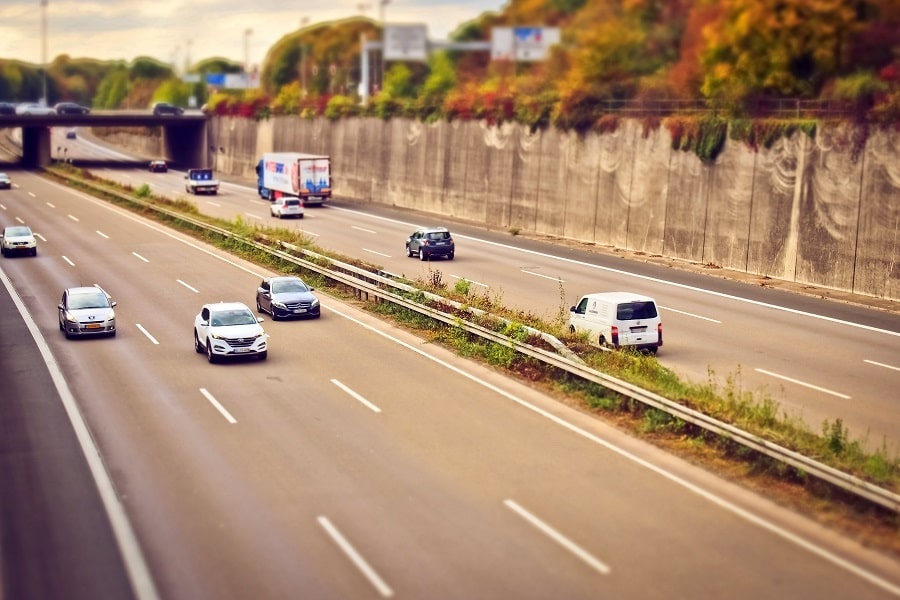
Thermoplastic road marking paint is a heat-applied road marking material made from a blend of synthetic resins, glass beads, pigments, fillers, and additives. Unlike conventional liquid road paint, thermoplastic material is applied in molten form at high temperatures and solidifies as it cools.
Once applied, it forms a thick, highly durable layer that adheres strongly to asphalt and concrete surfaces.
Key characteristics:
- Applied using heat (typically 180–200°C)
- Instantly dries and sets upon cooling
- Provides excellent night-time reflectivity
- Designed for high-traffic roads
Why Thermoplastic Is Ideal for Philippine Roads
The Philippines presents challenging road conditions due to high temperatures, heavy rainfall, flooding, and dense traffic. Thermoplastic road marking paint is specifically suited for these conditions.
1. Heat Resistance
Philippine roads experience prolonged exposure to sunlight and surface heat. Thermoplastic paint is engineered to withstand high temperatures without softening or fading, unlike ordinary road paint.
2. Rain and Flood Durability
Frequent rains and seasonal flooding can quickly degrade traditional road markings. Thermoplastic markings are water-resistant and maintain visibility even after heavy rainfall.
3. Strong Adhesion to Local Road Surfaces
Thermoplastic paint bonds effectively with asphalt and concrete, the most common road surfaces in Philippine highways and urban roads.
Main Components of Thermoplastic Road Marking Paint
Understanding its components helps explain its performance and longevity.
• Synthetic Resin
Acts as the binder that ensures strong adhesion to road surfaces.
• Glass Beads
Provide retroreflectivity, making road markings highly visible at night and during rainy conditions.
• Pigments
Ensure bright, long-lasting colors such as white and yellow that meet visibility standards.
• Fillers and Additives
Improve durability, skid resistance, and overall performance.
Thermoplastic vs Conventional Road Paint
| Feature | Thermoplastic Paint | Conventional Road Paint |
| Application | Heat-applied | Cold-applied |
| Drying Time | Immediate | Several hours |
| Durability | 3–5 years | 6–12 months |
| Reflectivity | High | Moderate |
| Cost Efficiency | High long-term | Lower upfront, higher maintenance |
For Philippine roads with heavy traffic and extreme weather, thermoplastic offers better long-term value.
Common Uses of Thermoplastic Road Markings in the Philippines
Thermoplastic paint is commonly used for:
- National highways
- City and municipal roads
- Pedestrian crossings
- Lane lines and edge lines
- Arrows, symbols, and road text
- Parking areas and industrial zones
It is widely specified in DPWH and LGU infrastructure projects.
DPWH Standards and Compliance
In the Philippines, thermoplastic road marking paint must comply with DPWH specifications, including:
- Proper thickness requirements
- Reflectivity and glass bead content
- Color brightness and visibility
- Adhesion and durability standards
Choosing a DPWH-compliant thermoplastic supplier ensures smoother project approval and long-lasting results.
How Long Do Thermoplastic Road Markings Last?
When properly applied, thermoplastic road markings can last three to five years, even under heavy traffic. Factors that affect lifespan include:
- Traffic volume
- Surface preparation
- Application quality
- Climate exposure
This durability makes thermoplastic a cost-effective solution for government and private road projects.
Why Contractors and LGUs Prefer Thermoplastic
Contractors and local government units choose thermoplastic road marking paint because it:
- Reduces maintenance costs
- Improves road safety
- Meets DPWH and international standards
- Enhances visibility day and night
- Performs well in tropical climates
Choosing the Right Thermoplastic Supplier in the Philippines
When sourcing thermoplastic road marking paint, look for a supplier that offers:
- DPWH-compliant formulations
- Tropical-grade thermoplastic
- Consistent quality and supply
- Technical support and product guidance
A reliable supplier ensures project success and long-term performance.
Thermoplastic road marking paint is the most reliable and durable solution for Philippine roads. Its resistance to heat, rain, and heavy traffic makes it the preferred choice for highways, LGUs, and infrastructure projects nationwide.
For contractors and project owners, investing in thermoplastic road marking paint means safer roads, lower maintenance costs, and compliance with Philippine standards.
About Rua Seguridad Corporation
Rua Seguridad Corporation supplies high-quality, DPWH-compliant thermoplastic road marking paint designed specifically for Philippine road conditions. Our products are trusted by contractors, distributors, and infrastructure partners nationwide.