


Markings on the road serve as the foundation of organized traffic systems. When applied well and maintained with quality equipment, they support the efficient movement of people and goods.
Key Takeaways:
- The right road marking equipment ensures durability, visibility, and efficiency, making roads safer for motorists and reducing long-term costs.
- Integrated thermoplastic systems deliver consistent results by combining kneading, applicator, and glass bead dispensing machines.
- Contractors and government agencies benefit from investing in high-quality equipment that withstands Philippine climate conditions and complies with safety standards.
In road construction, precision equipment ensures that markings are applied correctly, last longer, and improve traffic safety. Choosing the right road marking machine is crucial for both contractors and government agencies responsible for building and maintaining roads in the Philippines.
Beyond the purchase price, factors like after-sales support, warranties, and operator training play a major role in long-term value.
This guide explores the various types of road marking equipment and highlights how each one contributes to enhanced road safety.
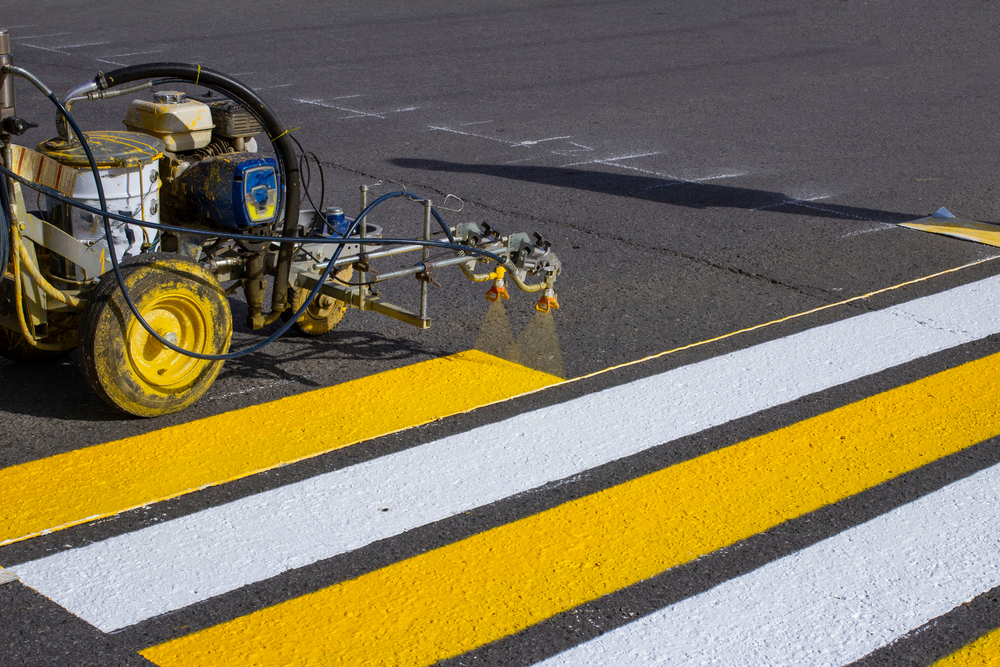
Types of Road Marking Equipment and How They Work
A road marking project is only as effective as the tools used to implement it. The type of equipment determines how these materials bond with the pavement. Below are the types of equipment that affect the quality of road markings:
Thermoplastic Kneading Machine
A thermoplastic kneading machine is the backbone of any thermoplastic marking system. It heats the mixture to the required temperature and maintains a consistent temperature to prevent clumps or uneven texture. Without uniform heating, the final output can become brittle, peel quickly, or fail to adhere properly to the road surface.
In tropical climates such as the Philippines, this consistency is even more important. Sudden changes in temperature or unexpected rainfall can destabilize materials. A well-designed kneading machine ensures that thermoplastic compounds remain workable and durable, reducing material wastage and increasing efficiency.
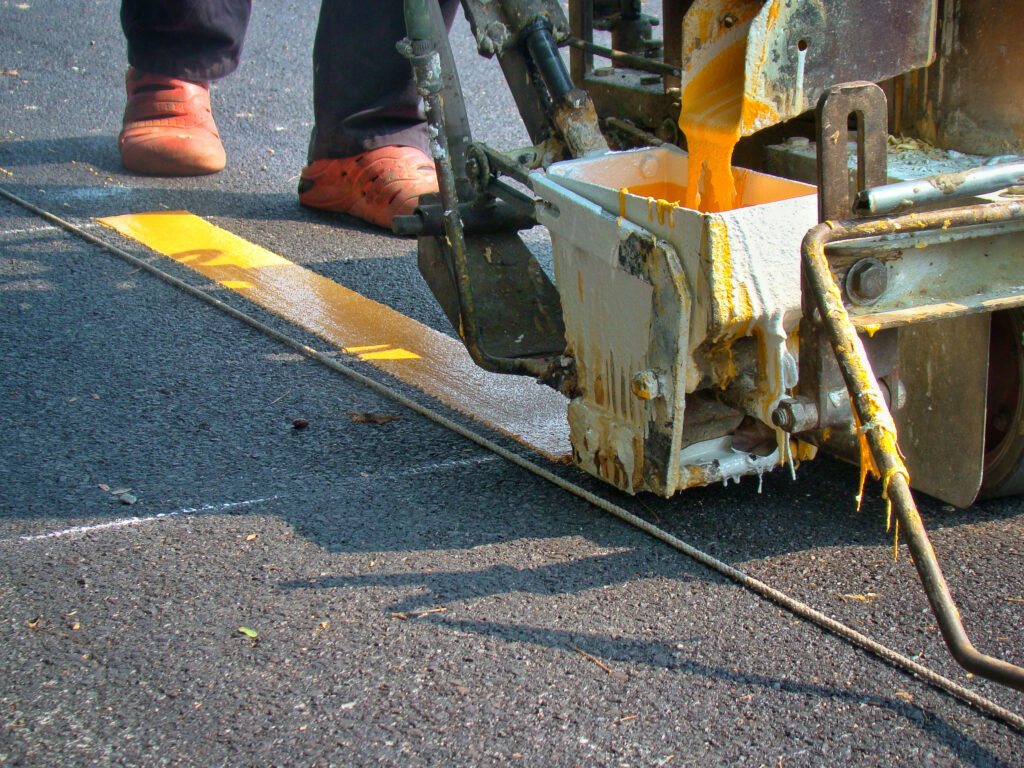
Applicator Machine
The applicator machine takes the prepared thermoplastic and applies it onto the road surface. This is where precision truly matters.
- Manual push-type applicators are suitable for small-scale jobs such as village streets or parking lots.
- Self-propelled applicators are designed for highways and long stretches where accuracy and speed are crucial.
Stable wheelbases, easy steering, and controlled nozzles ensure crisp, uniform lines. A poorly calibrated applicator, on the other hand, results in crooked edges and uneven thickness, which shortens the lifespan of markings.
Drop-on Glass Bead Dispensers
Visibility is as important as durability. Retroreflectivity is the ability of markings to reflect headlights to drivers. It is commonly used in rural highways with limited lighting. Drop-on glass bead dispensers embed beads into freshly applied thermoplastic, ensuring markings remain visible both during the day and at night.
A well-calibrated dispenser prevents waste and maximizes reflectivity. This balance between efficiency and visibility has a direct impact on road safety.
Integrated Thermoplastic Systems
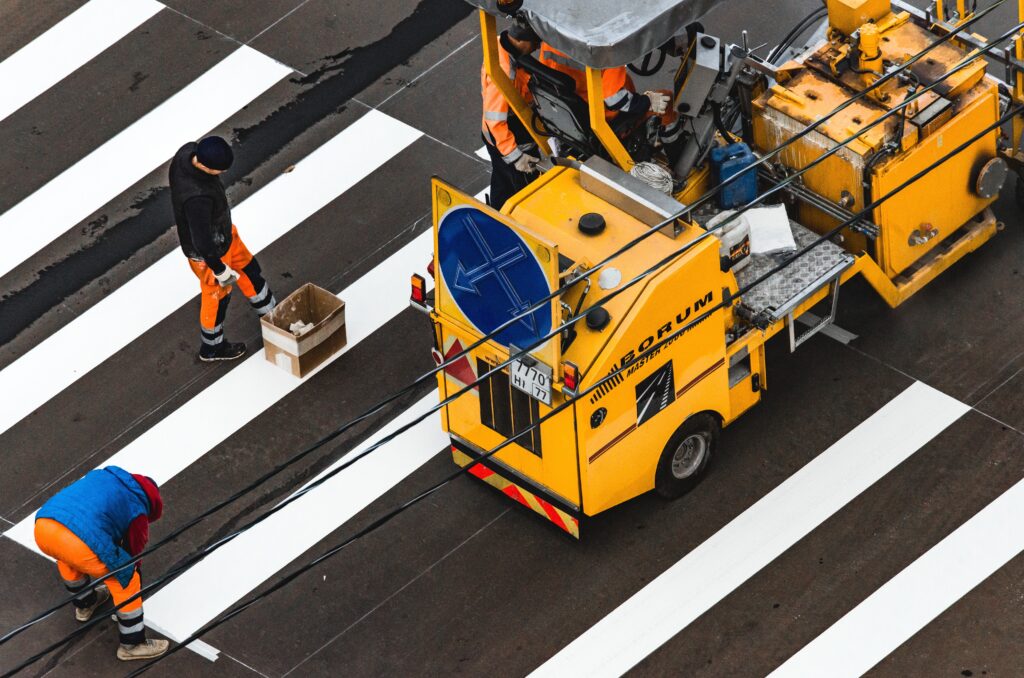
Some suppliers sell machines separately, but integration offers clear advantages. They reduce compatibility issues, downtime, and calibration errors. Integrated systems improve workflow and consistency across the entire project.
As projects scale, contractors often look for advanced line marking equipment that combines precision, durability, and efficiency. These machines are especially valuable for highways and other high-traffic areas where visibility can’t be compromised.
Benefits of Using Road Marking Equipment
Choosing the right equipment pays off in the long run. Here are some of the benefits:
- Durability –Proper kneading and application extend the lifespan of thermoplastic markings, helping them withstand heavy traffic and tropical weather conditions
- Visibility – Embedded glass beads improve clarity both in daylight and at night
- Efficiency – Integrated machines reduce setup time, workforce requirements, and chances of human error
- Consistency – Uniform application prevents irregular thickness, peeling, and premature wear
- Safety – Clearer, longer-lasting road markings provide better guidance to motorists, minimizing accident risks
In essence, good equipment is an investment not just in infrastructure, but in public safety.
8 Things to Consider When Choosing Road Marking Equipment
Choosing the right road marking equipment means balancing budget, project needs, and long-term value. Here are eight factors to guide decision-making:
1. Project Scale
The size of the project dictates the type of machine required. A barangay road may only need a manual applicator, while a multi-lane expressway requires high-capacity mechanized systems. Choosing the wrong scale wastes resources and time.
For projects on expressways and major thoroughfares, it’s best to invest in road marking equipment for highway roads that guarantees durability under heavy traffic conditions.
2. Material Compatibility
Not every machine is built to work with thermoplastics. Some are only suited for paint-based coatings, which don’t hold up well under Philippine weather. It’s important to make sure your equipment can handle high heat and humidity so the materials perform as expected.
3. Climate Considerations
The Philippine climate can be challenging—scorching sun, sudden downpours, and constant humidity. Equipment not designed for these conditions may overheat, corrode, or break down. Selecting machines designed for tropical environments helps ensure smooth, uninterrupted operation.
4. Ease of Maintenance
Road projects typically operate on tight schedules, making downtime costly. That’s why it’s best to opt for equipment that’s easy to maintain, with spare parts available locally and technical support you can rely on when needed.
5. Precision and Control
The quality of road markings depends on accuracy—whether it’s in nozzle control, wheel stability, or heating consistency. Without precision, you’ll end up with crooked lines, wasted materials, and poor adhesion. The right machine helps you avoid all that and ensures professional results.
6. Integration of Components
Using mismatched machines from different brands can lead to calibration issues. Integrated systems streamline the process, ensuring kneaders, applicators, and dispensers operate seamlessly together.
7. Budget vs. Lifecycle Costs
Cheaper upfront costs can be misleading. Low-quality equipment often breaks down more frequently, resulting in higher repair and replacement expenses. A lifecycle cost analysis—comparing initial cost to expected lifespan and maintenance—provides a clearer picture of long-term value.
8. Compliance and Safety Standards
Government-funded projects typically follow the strict requirements of the Department of Public Works and Highways (DPWH) or local governments. Machines must comply with local and international standards to ensure project approval and safety assurance. A road marking equipment checklist can help you make an informed choice.
Why the Right Road Marking Equipment Matters
Road safety relies heavily on markings that remain visible and intact under heavy use. When contractors invest in the right machines, they deliver markings that last longer, improve driver visibility, and reduce maintenance costs.
Conversely, poor equipment leads to fading lines, higher repair frequency, and increased risks of road accidents.
In a country where infrastructure funding must stretch across many projects, durability and efficiency are non-negotiable. The right equipment ensures your investments go further, benefiting both motorists and government agencies.
Build Better Roads with a Reliable Road Marking Machine
Choosing the right road marking machine involves more than just a simple equipment purchase. Engineers must weigh factors like project scale, climate, and system integration to achieve reliable results.
Clearer, safer roads become possible when the right equipment is in place. With high-quality machines, you can develop road networks that not only connect communities but also protect lives.
Rua Seguridad offers a comprehensive thermoplastic road marking system designed for Philippine weather conditions.
By choosing Rua Seguridad, you gain premium equipment that delivers consistent quality and ensures safer roads for motorists. Partner with us today and build road markings that last.
FAQs on Road Marking Machines
1. How often should road markings be reapplied in the Philippines?
Every two to four years, depending on traffic, weather, and material quality.
2. Can thermoplastic markings be applied on wet roads?
No. For the markings to stick properly and last long, the road surface has to be clean, dry, and free of dust or moisture.
3. What is the difference between paint-based and thermoplastic road markings?
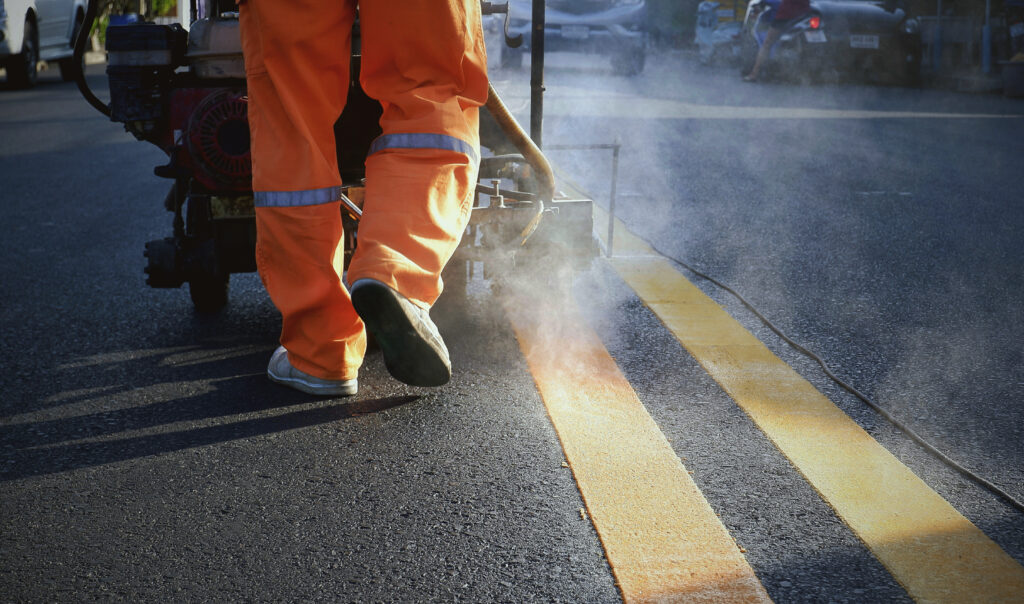
Thermoplastic markings require specialized equipment, but they can last significantly longer and provide better visibility.
4. Why is integration important in road marking systems?
When the kneading, application, and bead dispensing all work together in one system, it minimizes calibration problems and delivers consistent, high-quality results.
