


Safe, organized traffic starts with clear road markings. Lines, crossings, and arrows help drivers move smoothly through crowded city streets. Over time, traffic and weather wear them down, making regular repainting a necessary part of maintaining road safety.
As Indonesia’s cities continue to grow rapidly, keeping road markings clear is more crucial than ever. New roads, increasing traffic, and tighter budgets all put pressure on local governments. While repainting Indonesia’s roads may seem like routine upkeep, it plays a vital role in keeping roads safe and organized. City officials must carefully weigh the quality of paint, costs, and the frequency of repainting to maintain a reliable road network.
Planning budgets well is essential for road marking upkeep. Without sufficient funding, markings wear down more quickly, safety standards deteriorate, and expenses tend to increase over time.
Current Budget Landscape for Road Paint Maintenance in Indonesia
As of 2025, Indonesia continues to invest heavily in public infrastructure, with road maintenance remaining a key focus. As of 2025, Indonesia is placing greater emphasis on preserving road infrastructure. The Ministry of Public Works secured an additional Rp 23.28 trillion specifically for road preservation and maintenance programs.
Many city governments are increasing their maintenance budgets to handle older roads and growing traffic. Others must divert funds to flood prevention or transport development. When money is tight, repainting schedules are often extended, and markings lose their brightness and visibility over time.
Budget constraints create particular challenges in large urban centers like Jakarta, Surabaya, and Medan, where thousands of kilometers of roads require consistent upkeep. Municipal departments must stretch limited funds across materials, labor, and equipment, often forcing them to prioritize only the busiest or most critical roads.
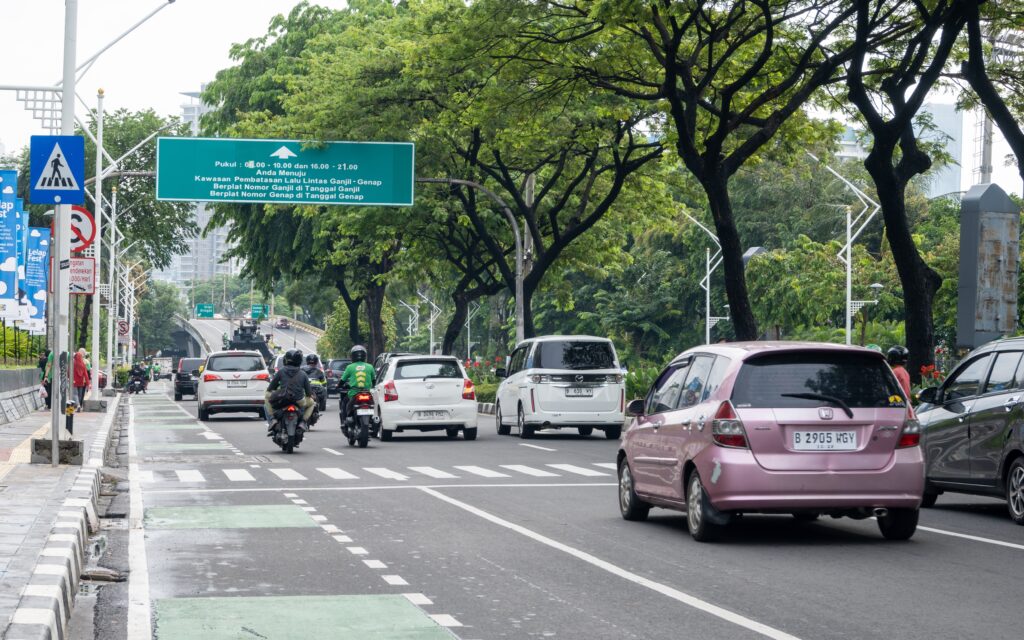
Key Cost Factors in Indonesia’s Road Repainting Projects
The total cost of a road repainting project depends on several key factors:
1. Materials
Different types of road marking paints carry different price points and lifespans.
- Thermoplastic road paint available in Indonesia may cost more upfront, but its longer lifespan makes it a more cost-effective choice over time.
- Waterborne paint is cheaper and easier to apply but requires more frequent maintenance, especially in tropical climates.
Additives such as reflective glass beads, anti-slip agents, and binders also increase costs but are crucial for safety and durability.
2. Labor and Equipment
Road repainting is a labor-intensive process and often requires specialized equipment, such as thermoplastic applicators and line-marking machines. Labor costs vary depending on local wage rates and the project’s complexity. Night work or projects that require traffic rerouting may also increase expenses due to safety and logistical requirements.
3. Frequency of Repainting
The frequency of repainting varies with traffic volume, paint quality, and exposure to the elements. Major roads in Jakarta typically require new paint once a year, while less-trafficked areas don’t need it as often. Although it costs more, repainting is vital for precise and safe road markings.
4. Surface Preparation and Repairs
Surface preparation is key before any road repainting. Roads need to be cleaned and repaired, if necessary, to provide a solid base for the paint to adhere to. Although these preparatory steps increase initial expenses, they help prevent early paint peeling or cracking, ultimately saving money in the long run.
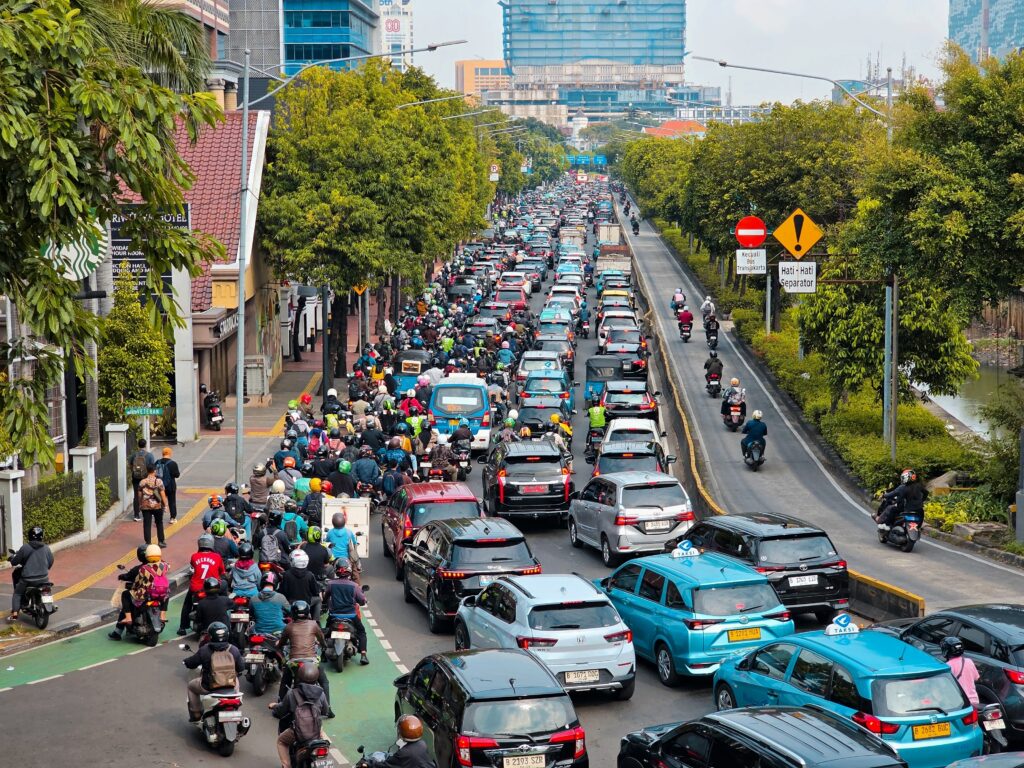
Urban Climate and Traffic Impact on Maintenance Budgeting
Indonesia’s tropical climate makes road maintenance especially challenging. High humidity and frequent rain slow down paint drying and weaken adhesion if the surface isn’t completely dry. Constant exposure to heat and sunlight causes markings to fade, soften, or crack, particularly when lower-grade materials are used.
Busy city roads endure nonstop wear from tires, oil, and braking, especially in industrial zones that are heavily trafficked by trucks and buses. This makes it challenging for engineers to stay on schedule and within budget.
Paints designed for tropical climates, such as thermoplastic and hybrid coatings, offer stronger resistance to heat, rain, and abrasion, helping markings remain clear and durable despite constant use.
Innovations and Cost-Effective Solutions
New developments in road marking technology are enabling cities to lower maintenance costs without compromising quality. Modern thermoplastic paints dry faster and retain their color longer, even in the most extreme tropical weather conditions. Many now use UV-resistant pigments and moisture-proof binders to keep markings bright and well-bonded despite Indonesia’s changing climate.
Cities are increasingly adopting low-VOC and sustainable road paints that are safer for workers and the environment. With long-lasting results and lower upkeep needs, these paints help local governments cut costs and maintain safer roads.
Emerging financing models, such as infrastructure maintenance grants or shared funding between regional and national agencies, are also helping municipalities sustain repainting programs. With consistent investment and smarter material choices, cities can stretch every budget rupiah further.
Building a Sustainable Approach to Road Repainting in Indonesia
In Indonesian cities, the cost of repainting roads depends on several factors, including climate conditions, traffic intensity, the type of paint used, and the maintenance methods employed.
Budget pressures are typical, but postponing repainting only exacerbates safety issues and leads to additional expenses later on. With good planning and the use of durable, climate-friendly paints, cities can maintain safe roads and better control maintenance costs.
At Rua Seguridad, we manufacture and export thermoplastic road marking paints specifically formulated to withstand the demands of tropical climates and heavy traffic. Our products help cities across Southeast Asia extend repainting intervals, improve visibility, and manage maintenance budgets effectively.
Contact us today to discover the ideal product for your specific needs.
