
As urban expansion and national connectivity projects accelerate, understanding road paint standards in Indonesia is essential for contractors, dealers, and importers involved in road development.
They ensure traffic efficiency and safety across thousands of kilometers of roads spanning the archipelago. Whether working on highways, local streets, or expressways, compliance with these laws is crucial for determining project approval and quality.
This guide helps you navigate these road paint standards, ensuring every project aligns with legal and safety regulations.
Understanding Road Marking Regulations in Indonesia
In Indonesia, road marking standards are governed primarily by the Ministry of Transportation and the Indonesian National Standard (SNI), which provides guidelines on road safety equipment and materials.
These regulations outline the type, color, placement, and reflectivity of road markings to ensure they remain visible under all weather and lighting conditions.
The country’s Traffic and Road Transportation Law (Undang-Undang No. 22 Tahun 2009) defines the role of road markings as an integral part of traffic control systems. It specifies the use of lines, symbols, and arrows to guide drivers and pedestrians, with strict adherence required for both public and private road projects.
For contractors, understanding these road paint laws in Indonesia affects how projects are bid, approved, and maintained. Using materials that meet SNI and Ministry specifications ensures road markings are recognized as legally valid and safe for public use.
The Function and Classification of Road Markings
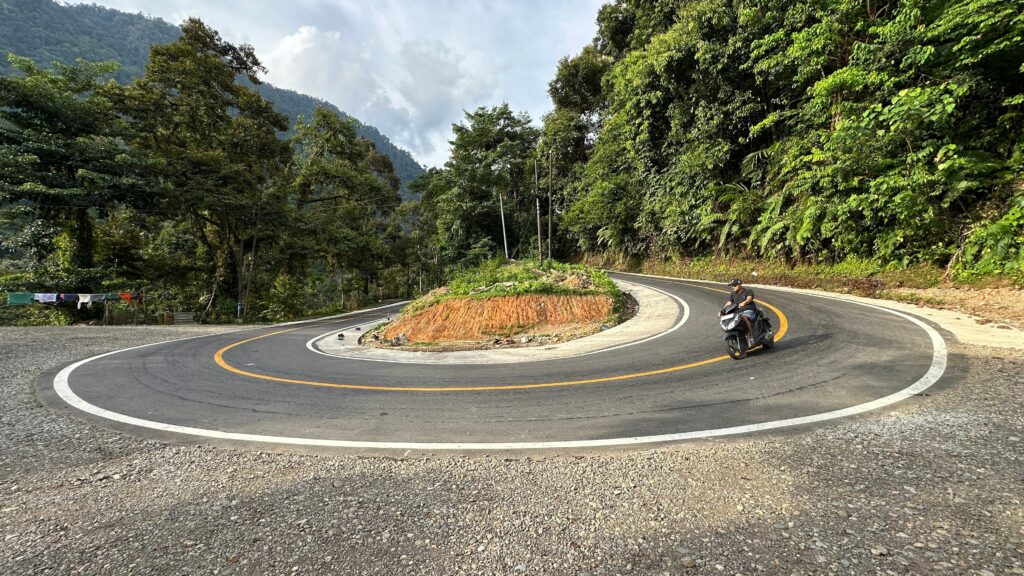
Road markings in Indonesia fall into several categories, each with a specific purpose:
| Type of Marking | Color | Function | Typical Locations |
| Longitudinal lines | White or yellow | Divide traffic lanes and guide vehicle movement | Highways, main roads |
| Transverse lines | White | Indicate stopping points or pedestrian crossings | Intersections, crosswalks |
| Diagonal markings | White or yellow | Restrict lane entry or indicate obstructions | Junctions, intersections |
| Symbols and arrows | White | Guide directional flow or specific maneuvers | Urban roads, intersections |
| Raised markings | White or yellow | Improve visibility and alertness | Curves, toll plazas |
Each marking type must follow SNI 7318:2008, which specifies the width, spacing, and application methods. Non-compliance can result in failed inspections or the need for costly rework, which contractors can avoid by using high-quality, compliant materials.
Material Standards and Performance Requirements
Indonesia’s SNI and Ministry of Transportation standards specify the performance requirements for road paint products under various environmental conditions. Contractors must select materials that meet these benchmarks in terms of:
- Reflectivity and Night Visibility – Markings must maintain a minimum retroreflectivity level, ensuring visibility at night or in rain. Glass beads are often incorporated to achieve this effect.
- Durability and Adhesion – Paints must adhere strongly to asphalt and concrete surfaces, resisting peeling and fading even in heavy traffic.
- Weather Resistance – Given Indonesia’s tropical climate, characterized by high humidity and rainfall, paint formulations should be able to resist ultraviolet (UV) radiation, heat, and moisture.
- Skid Resistance – Markings should not create slippery surfaces, especially in wet conditions.
Contractors who use thermoplastic road paint in Indonesia benefit from superior performance in these areas. Thermoplastic paints, when applied correctly, offer long-lasting color, excellent reflectivity, and reduced maintenance needs compared to solvent-based alternatives.
The Importance of Following Road Paint Laws in Indonesia
Complying with road paint laws in Indonesia is more than meeting government requirements. It is a practical step that determines a project’s success, cost efficiency, and public safety. Here’s why it matters:
Improves Road Safety and Traffic Flow
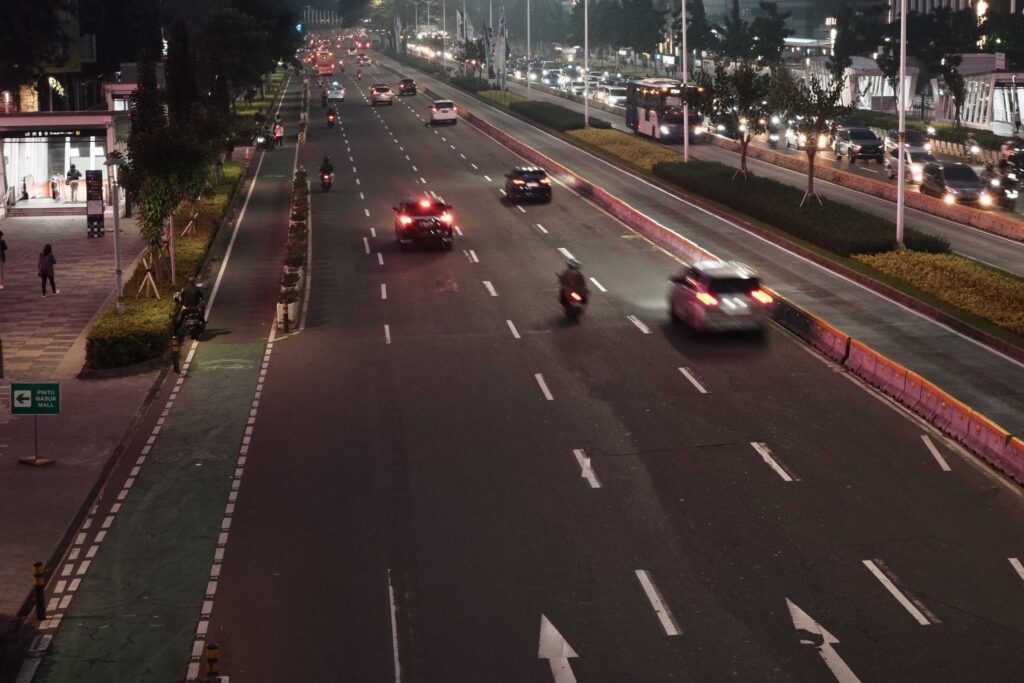
Accurate and visible road markings help prevent confusion for drivers, pedestrians, and cyclists. When markings are applied correctly and remain reflective in all conditions, they contribute to smoother traffic movement and fewer accidents, particularly at night or during heavy rain.
Ensures Faster Approval and Avoids Costly Rework
Compliance with national road paint standards streamlines the approval process with local authorities. Projects that fail to meet these requirements risk delays, financial penalties, or complete rejection, all of which can impact timelines and budgets.
Increases Durability and Reduces Maintenance
Paints formulated to meet SNI and Ministry of Transportation standards are built to endure Indonesia’s tropical climate. They maintain their color and adhesion even under high traffic and harsh weather, minimizing the need for frequent repainting.
Builds Trust and Professional Credibility
Consistently meeting regulatory standards showcases reliability and technical competence. Contractors who deliver compliant and high-quality work are more likely to earn client confidence and secure long-term partnerships in both public and private projects.
Promotes Sustainable and Cost-Effective Construction
High-performance materials not only last longer but also reduce waste and resource consumption. This helps contractors lower their operational costs while supporting Indonesia’s goal of building safer, more sustainable roads.
Set the Standard for Safer Roads in Indonesia
Indonesia’s rapid infrastructure growth depends on consistent adherence to quality and safety standards. By understanding and applying road paint standards in Indonesia, contractors contribute to safer, more efficient, and sustainable road networks.
Rua Seguridad supports this vision by providing high-quality thermoplastic road marking materials that meet international and Indonesian standards. Our products are engineered for the Southeast Asian climate, ensuring optimal visibility, adhesion, and durability.
Build safer, longer-lasting roads with a trusted thermoplastic paint exporter. Partner with Rua Seguridad today.